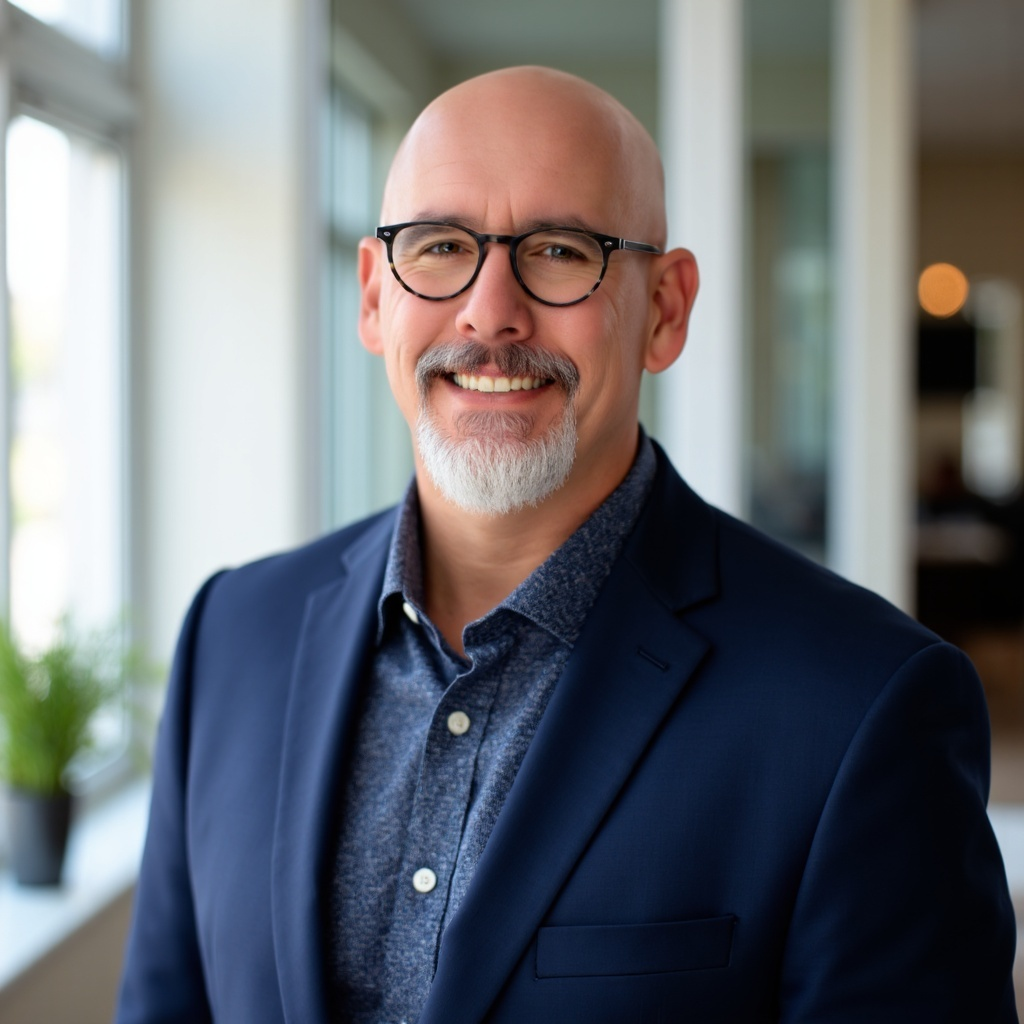
For a long time, I thought I was just frustrated with the modern mental health system.
Then I realized something deeper.
I’ve been questioning it for over 25 years.
And I decided I wasn’t willing to sit on the sidelines anymore.
I Didn’t Leave Mental Health.
I Left the Way We Were Doing It.
I began my career in 2001 inside what was considered an “innovative and successful” adolescent substance abuse treatment program. The outcomes looked impressive on paper.
But something didn’t sit right.
A two-year long residential treatment for teenagers.
Fifteen-year-olds being told, “Once an addict, always an addict.”
That narrative didn’t align with what I saw in real human beings.
So I walked away from a lucrative path — even from the promise that “you’ll be CEO one day” — because I believed there had to be a better way.
From Corporate Mental Health to Meaning-Centered Work
I built a private practice that grew into a thriving group practice. Eventually, I realized I didn’t want to “own” clinicians in a system that felt extractive.
So I did something different.
I taught them how to build their own practices.
We moved from hierarchy to collaboration.
From competition to cooperation.
Because healing should never depend on outdated business models.
The Problem Wasn’t People.
It Was the Framework.
Traditional graduate training taught me to:
Conduct 1-hr Intake - Diagnose - Create and conduct an 8–12 session treatment plan - Terminate
Yes — terminate. That’s the word we are supposed to use.
But human beings don’t fit into checkboxes.
We don’t live inside diagnostic codes.
Over time, I noticed something powerful:
Most people walking into my office weren’t just clinically depressed or anxious.
They were experiencing:
-
Existential dread
-
Work-life imbalance
-
Disconnection despite being surrounded by people
-
Addiction in a consumer-driven culture
-
A loss of meaning
And that wasn’t in the textbooks.
So I Went Deeper.
I expanded beyond traditional training.
Today, my work integrates:
-
A doctorate in Viktor Frankl’s Logotherapy (the psychology of meaning)
-
Personal growth frameworks like the Myers-Briggs Type Indicator
-
Ketamine and psychedelic-assisted psychotherapy
-
Decades of clinical experience with individuals, couples, families, and groups
I’ve put in my 10,000 hours.
Probably four or five times over.
And here’s what those hours have taught me:
We don’t have a mental health crisis.
We have a mental health system failure.
You Are Not Broken.
The system you’ve been trying to navigate might be.
People waiting six months to schedule an initial appointment is broken.
Clients who spent years in therapy but never felt understood is definitely broken.
Individuals medicated for years before anyone asked deeper questions is so definitely broken.
This isn’t a personal deficiency.
It’s a structural problem.
Maybe you’re not “too anxious.”
Maybe the medication isn’t the full answer.
Maybe what you’re missing isn’t another diagnosis.
Maybe what you’re missing is:
Meaning.
Purpose.
Resilience.
Community.
Tools for the times we’re living in.
Why I Created The Meaning Project
For years, I could only help one person at a time. One hour at a time. A handful of hours a day.
And that wasn’t enough.
I’ve always said I want to “help more people in bigger ways.”
So I started The Meaning Project Podcast to share these ideas more broadly.
And now, I’ve built The Meaning Project Community — a place where we don’t just consume information.
We discuss.
We interact.
We integrate.
We grow.
We become.
Because in a time of unprecedented disconnection, what we are truly craving is community.
This is my answer to the system failure.
This is how we do it differently.
If you’re here, you’re not broken.
You’re becoming.
And I’m here to help.